Virtual Actors for Distributed Systems
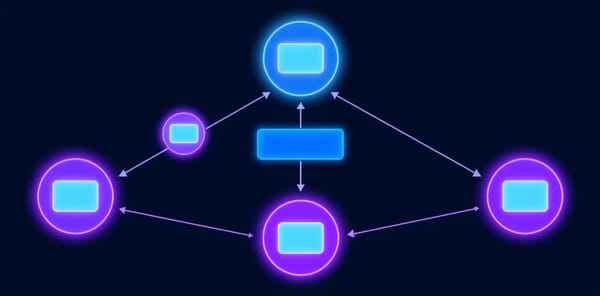
In an era dominated by microservices and serverless functions, one architectural pattern has been quietly gaining production traction among teams building large-scale, stateful systems: virtual actors.

Loop engineering is the practice of designing, measuring, and optimizing feedback loops across the entire software development lifecycle. As AI coding assistants accelerate code production, tight feedback loops become the critical competitive advantage for engineering organizations.
Reliable distributed workflows in 2026: Temporal's durable execution solves the "lost task" problem with automatic recovery, retry policies, and execution history—making complex multi-service coordination predictable and observable.
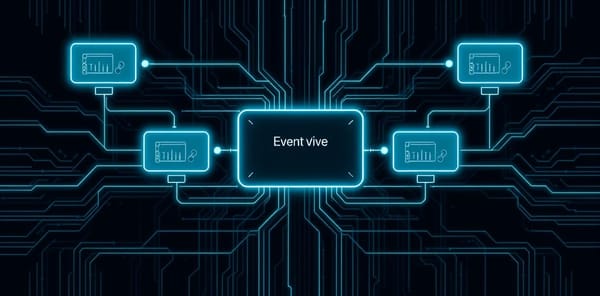
Event-driven architecture is no longer optional for scaling microservices — it's the structural backbone that enables team autonomy, real-time AI pipelines, and fault isolation. Here's what patterns matter in production and how to avoid the most common pitfalls.
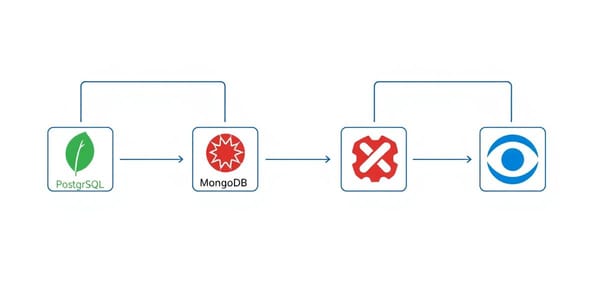
Polyglot persistence lets each microservice use its optimal database — PostgreSQL for transactions, Elasticsearch for search, Redis for caching — while event-driven communication keeps them in sync without shared state. Here's how to make it work and when to reach for it.
We use Google Analytics and a chatbot to improve your experience. Learn more.