
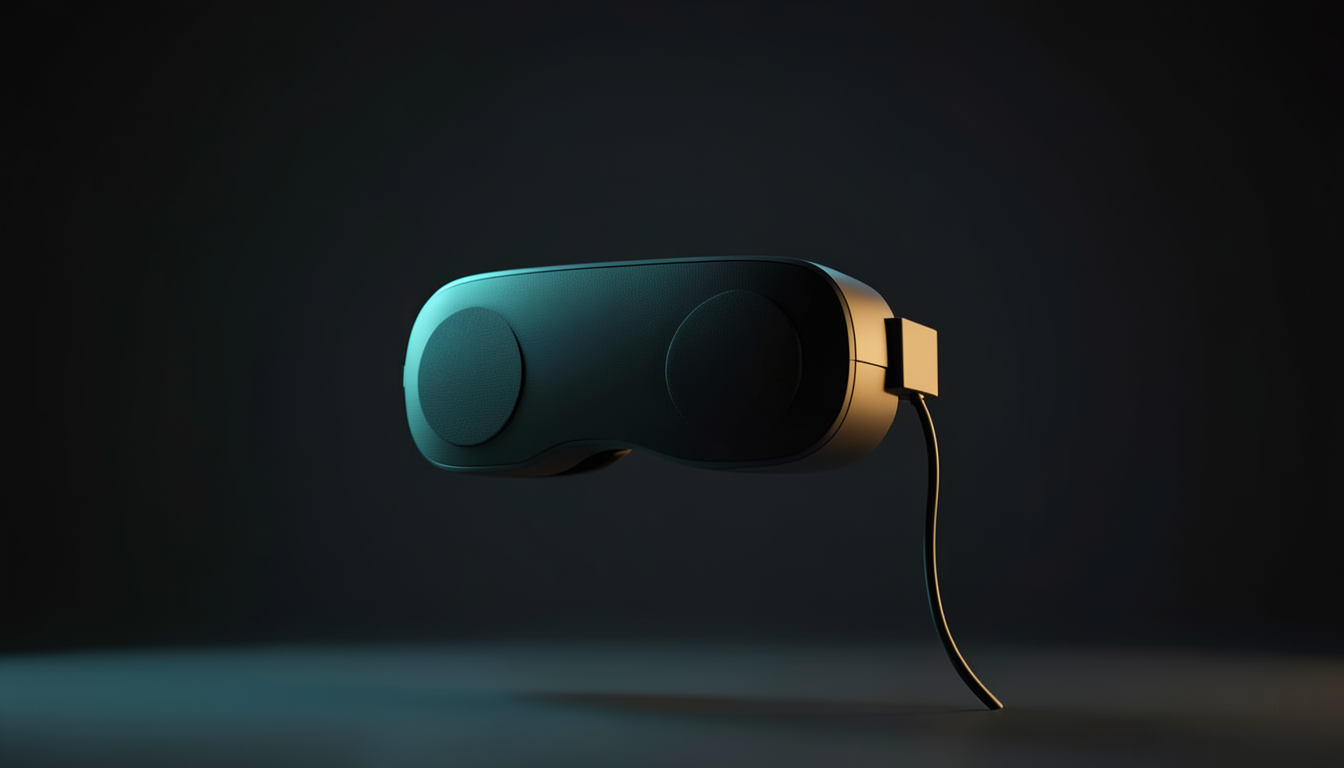
Valve's Steam Frame ships with no charger in the box
Valve came back to VR in September, seven years after the tethered Index, and it brought a headset that finally kills the umbilical cord. The Steam Frame, long hidden behind the codename Deckard, launched September 18 after reservations opened the day before. It is a streaming-first headset that can also run standalone, and it is the first Valve VR device that never needs a cable to a PC.
But the announcement most owners are still chewing on has nothing to do with the display or the chip. It is in the box, or rather it is not. Valve did not include the power supply. The charger is a separate $29 add-on, and that single decision quietly resets the real entry price of a headset the company spent two years trying to make more affordable.
What the kits include
There are two configurations. The 256GB Kit lands at $1,059 and the 1TB Kit at $1,299, which puts it $10 above the Steam Machine Valve priced at $1,049. Both kits ship with the headset, the Steam Frame Controllers, a Wi-Fi 6E wireless adapter for the PC stream, and a copy of Half-Life: Alyx. Regional pricing runs CAD 1,529, EUR 1,049, GBP 889, and PLN 4,539, with VAT included where it applies.
| Spec | Steam Frame |
|---|---|
| Chip | 4nm Snapdragon 8 Gen 3 (ARM64) |
| Memory | 16GB unified LPDDR5X |
| Display | Dual 2160 x 2160 LCD, pancake lenses |
| Refresh | 72 to 144Hz (144Hz experimental) |
| Storage | 256GB or 1TB UFS, microSD slot |
| Wireless | Wi-Fi 7, 2x2 dual radios; Bluetooth 5.4 |
| Tracking | Inside-out, four cameras plus IR |
| Weight | 185g core, about 440g with strap |
| OS | SteamOS 3, Proton 11.0 (ARM64) |
The charger situation
The first-party 45W USB-C wall charger costs $29 and is not in the box. Valve is leaning on the standard USB-PD ecosystem here, the same packaging move you now see across premium phones and laptops. For most buyers the true base price is therefore around $1,088 once you add the charger. Steam Deck owners have a workaround, because the Deck's existing USB-C charger works, which trims the surprise cost to zero for a large chunk of the install base.
256GB Kit                          $1,059
+ 45W USB-C charger (separate)        $29
+ Ergonomic kit (optional)            $59
------------------------------------------------
Base + charger (real entry)         $1,088
Base + charger + kit                $1,147
1TB Kit + charger                   $1,328
It is a defensible call. Valve is not hiding the fee or burying it in a checkout surprise, the price is printed in the same post as the headset. But it undercuts the November 2025 promise that the Frame would be cheaper than the $999 Index, at least for anyone who does not already own a compatible 45W brick.
Streaming first, standalone second
The Frame is built around the PC stream. It carries Wi-Fi 7 with two radios, one for your home network and one dedicated to the 6GHz PC link, plus Bluetooth 5.4. The included Wi-Fi 6E adapter rides that dedicated link, and Valve layers Foveated Streaming on top, where low-latency eye tracking shifts render resolution toward where you are actually looking to cut the bandwidth the link has to move. Multi-Link Streaming splits the load across radios for extra headroom.
Standalone still works, and it is better specified than a streaming headset has any right to be. The 4nm Snapdragon 8 Gen 3 is an ARM64 chip paired with 16GB of unified LPDDR5X, double what the Quest 3 carries. The front box is 185 grams and about 440 grams with the battery and strap, lighter than the Quest 3 at 515 grams. The 21.6 Wh battery charges at 45W over USB-C, and a microSD slot handles storage overflow beyond the 256GB or 1TB of UFS.
Windows games on an ARM chip
SteamOS 3 is the operating system, running Proton 11.0 for ARM64 on Steam Linux Runtime 4.0. That stack is what lets the Frame run your regular Steam library on device, with FEX translating x86 binaries and a layer called Lepton handling Android APKs. So the Windows games in your Steam library run on the ARM silicon instead of needing a desktop build.
The interesting trade is that Valve optimized the whole device for the streaming path and then made standalone good enough that you rarely notice you are missing the PC.
Tracking is inside-out with four monochrome cameras and infrared illuminators for dark rooms. Passthrough is monochrome out of the box; color comes from a separate $149 Arcturus Vision camera add-on. Audio is dual speaker drivers per ear with a dual microphone array, and the controllers add full 6-DOF and gamepad controls with TMR thumbsticks.
The gotchas
The 144Hz refresh rate is flagged experimental, so treat it as a lab value rather than a guaranteed mode. The battery is modest at 21.6 Wh, which matters on long standalone sessions. And the memory supply shortage that pushed the 2026 launch later also nudged pricing higher than the team expected, which is why a device announced as cheaper than the Index arrived at $1,059.
Who this is actually for
Reservations use the same random draw Valve used for the Steam Machine to blunt scalping; sign-ups closed September 17 and it randomized the list before emailing results.
Against the Quest 3 at $599.99 since Meta's April price increase, the Frame is not a budget play. It is for the person who already has a capable gaming PC and wants to drop the tether without buying a second console-grade device, and who is happy to keep a 45W USB-C brick on hand. If you want cheap and standalone-only, the Quest still wins on price. If you want the full Steam library untethered over Wi-Fi, the Frame is the first real option that does it without a cable, and you just have to budget for the missing charger.
Comments